The Silent Handshake: Making a Keyless BMW a Harder Target in Wolverhampton
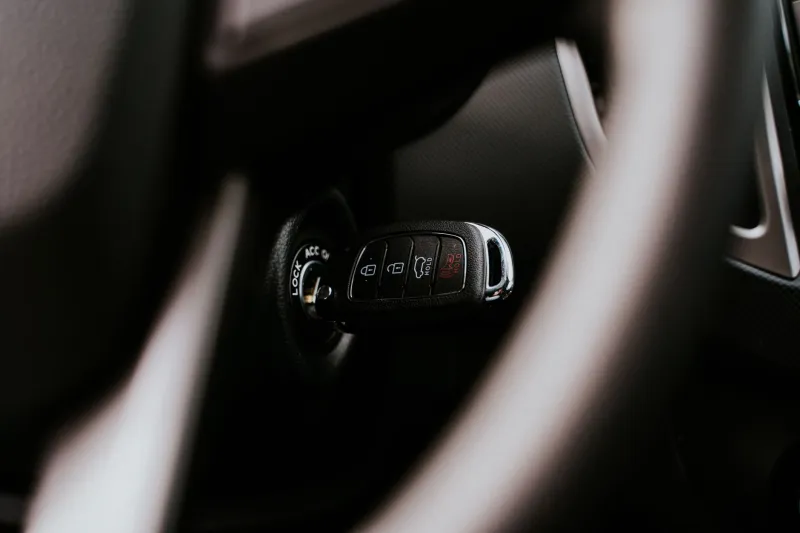
Keyless entry is one of those features you stop noticing after a week. You walk up, the BMW unlocks, you press the start button, and off you go. No fishing for a fob in the rain, no wrestling with a bag in the dark. It is genuinely useful. It is also, depending on the car and the key, a little too polite about answering whoever asks.
That is the awkward bit. Relay theft is not a Hollywood hack. It is two people, some cheap electronics and a bit of patience. For Wolverhampton drivers, especially where cars sit close to front doors on terraced streets or shared drives, it is worth understanding rather than fearing.
The relay trick, without the drama
The basic idea is simple. One thief stands near your house with a device that picks up the faint signal your key fob is constantly broadcasting. A second thief stands by the car with another device that repeats that signal. The car thinks the key is right there, unlocks, and often allows the engine to start. The key never leaves your hallway. The car never knows the difference.
It is not cloning your key or cracking BMW's encryption in the traditional sense. It is extending a conversation. The car asks a question, the relay answers, and the car decides everything is fine.
Older keyless BMWs are more exposed to this because the fob keeps chatting away. Newer cars have added defences, but not every BMW on a Wolverhampton driveway is new. A used 2017 3 Series or a well-loved X1 can still be a brilliant car and still rely on an earlier generation of keyless technology.
What BMW has changed, and why it still matters
BMW has not stood still. Many cars from around 2018 onwards use keys that go to sleep when they are not moved, which narrows the window for a relay attack. Newer models with ultra-wideband technology, often badged around Digital Key Plus, are harder again because the car can measure distance more precisely rather than simply detecting that a signal exists.
That is good news if you are buying a late-model BMW in 2026. It is less comforting if you are running a perfectly good older car. The answer is not to panic or rush into a part-exchange. It is to layer up sensible measures so your BMW is not the easiest one on the street.
Start with the cheap wins
A decent Faraday pouch or box is the first thing most people buy, and for good reason. Put the key in, close it, and the signal should be blocked. Test it properly: stand next to the car with the key inside the pouch and try the door handle. If it opens, the pouch is not doing its job. Cheap ones can fail, and a pouch that has been squashed into a pocket for two years may not be as effective as it was.
Where you keep the key matters as much as what you keep it in. A key hanging on a hook by the front door is convenient and also ideally placed for someone standing on your path. Move it further into the house, upstairs if you can, and keep the spare key away from the front door too. It sounds almost too simple, but relay thieves rely on convenience.
A visible steering wheel lock is old-school and deeply unfashionable. It is also a strong visual deterrent. If someone has spent time setting up a relay, the sight of a bright yellow bar across the wheel may be enough to send them looking for an easier target. The same goes for a driveway post or bollard if your parking layout allows one.
Settings, habits and the small stuff
Some BMWs let you adjust or disable certain keyless functions through iDrive. It is worth digging into the menus and seeing what your car actually offers. If you never use the hands-free tailgate opening or the walk-away locking, turn those features off. Fewer automatic responses mean fewer chances for the car to be helpful to the wrong person.
Keep your BMW's software up to date. It is not a silver bullet, but manufacturers do revise security logic over time. If your car is due a service, ask whether there are any outstanding software updates. Our service desk can check that alongside the usual oil and filter work.
Do not leave the key in the car, obviously, but also think about the spare. A spare key in a kitchen drawer near the back door is still a spare key in the house. If you have a habit of leaving documents, warranty folders or service books in the car, break it. They are not just paperwork; they are useful information for someone who should not have it.
Upgrades worth a proper conversation
An aftermarket immobiliser, often called a ghost immobiliser, adds a PIN-code or button-sequence layer before the car will start. It does not stop someone getting into the car, but it makes driving away much harder. A tracker is another option, particularly if your insurer recognises it. CCTV, a motion-sensitive light over the drive and a well-positioned camera can all help, though none of them are a substitute for the basics.
Before you book any aftermarket work, talk to your insurer. Some modifications need to be declared. Some trackers qualify for a premium discount. Some immobilisers may affect your warranty if they are fitted badly. A five-minute phone call before you spend money is worth it. Keep the receipts, too, because an insurer may ask for proof of fitment if you ever need to claim.
The insurance conversation nobody enjoys
Keyless theft claims can be complicated. Insurers will want to know where the car was parked, whether it was locked, whether both keys are accounted for and whether any security devices were fitted. If you have added a tracker or immobiliser, tell them. If you have not, do not pretend you have.
It is also worth checking what your policy actually includes. A courtesy car sounds generous until you read the small print and discover it only applies to certain claim types. Gap insurance is worth considering if you are financing a newer BMW, because the difference between what you owe and what the insurer pays can be uncomfortable.
A Wolverhampton reality check
Our streets are varied. Some drives in Tettenhall or Penn give you room for a post and a camera. Some terraced streets in Whitmore Reans or Bilston leave you parking wherever you can. Shared drives and communal parking areas add another layer, because you cannot always control who is coming and going.
Talk to neighbours. A WhatsApp group that actually gets used is surprisingly effective. If someone spots a car being unusually slow around the block, or a stranger paying too much attention to parked BMWs, it gets round quickly. Simple things like parking in a well-lit spot, reversing onto the drive so the car is harder to tow, and not broadcasting your holiday dates on social media all help.
The calm checklist
Use a tested Faraday pouch and store keys away from the front door. Fit a visible steering lock if your car lives outside. Check your iDrive settings for keyless functions you do not need. Keep software updated. Consider a tracker or ghost immobiliser if your car is high on your list of things you would rather keep. Tell your insurer about anything you add. And remember that no single device makes a car untouchable; layers do.
Keyless entry is still worth having. It is convenient, it is part of modern BMW ownership, and it is not going anywhere. The trick is to make your car a less attractive proposition than the one three doors down. A few sensible habits and a modest spend will do more than most people expect.