Code of Conduct: Why a New BMW Battery Needs Registering, Not Just Fitting
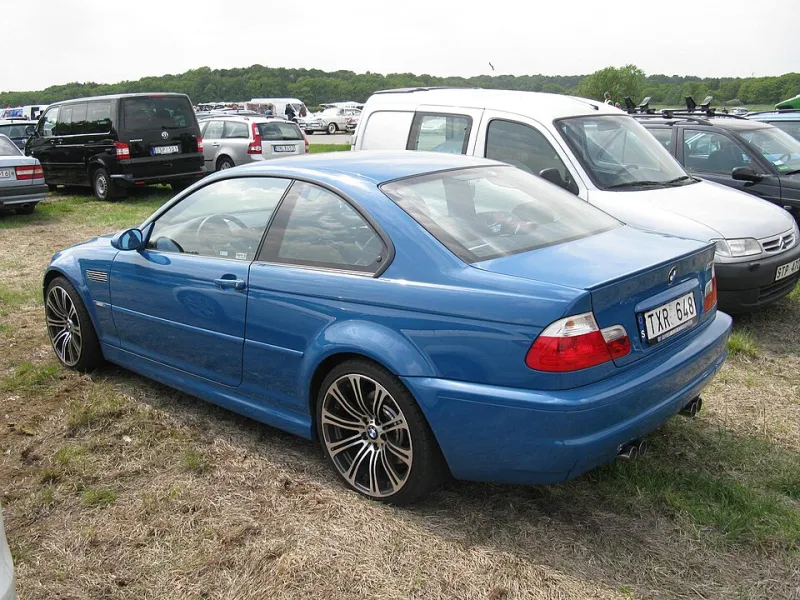
Photo: KVDP, Public domain, via Wikimedia Commons
A battery is a battery, isn't it? You take the old one out, drop a new one in, tighten the terminals and drive off. That was true of a 1990s hatchback. On a BMW built in the last fifteen years or so, it is one of the fastest ways to waste £200.
What registration actually does
The engine management system keeps a running diary of the battery. It knows roughly how much charge has gone in, how deeply it has been discharged, how its internal resistance has crept up and, in effect, how old it thinks it is. It uses that diary to decide how hard the alternator should work and which electrical consumers can be allowed to run.
Fit a new battery and say nothing, and the car carries on applying a strategy designed for a tired one. It charges harder and for longer than the fresh battery needs. The result is overcharging, heat and a battery that ages faster than it should. Registration resets that diary and tells the system the amp-hour rating and chemistry of what is now fitted.
There is a second, deeper step. Coding is what you need when the specification changes: going from a 70Ah to an 80Ah battery, or from a conventional lead-acid to an AGM. The car has to be told the new parameters, not merely that a swap has happened.
The intelligent battery sensor
Look at the negative terminal and you will usually find a small black module clamped to the post, wired into the earth lead. That is the intelligent battery sensor. It measures current, voltage and temperature many times a second and feeds the power management.
It is worth knowing about because if the sensor is faulty, or the earth strap is corroded, or somebody has been charging the car in a way that bypassed it, no amount of registering will fix your charging problems. A decent garage checks it before fitting anything.
AGM, EFB and the cheap battery trap
BMW's stop-start and brake energy regeneration systems put a battery through a very different life from a traditional setup: frequent deep discharge, high charge rates on the overrun, long periods at partial state of charge. Cars specified for this usually need an AGM battery (absorbent glass mat), and some later models use EFB.
A standard flooded battery dropped into an AGM-specified car will sulphate early, stop-start will quietly give up, and you will be back at the counter within a year complaining that the last one only lasted eleven months. Match the type, the capacity and the physical footprint, and make sure the venting arrangement is right for the car.
Signs the battery is on its way out
The most common early clue is not a slow crank. It is the stop-start system refusing to engage, usually flagged as unavailable in the iDrive menu. After that:
- An 'increased battery discharge' message after the car has been parked
- A lazy, reluctant starter on cold mornings
- Clock, date and trip computer resetting
- Comfort access and keyless entry working only sometimes
- Heated seats, rear screen or heated mirrors dropping out early
- A warning triangle with no obvious cause
None of those prove the battery is at fault. A parasitic drain, a tired alternator or a failing sensor can look identical, which is why a load test and a scan should come before a sales receipt.
The cost of skipping registration
An unregistered battery may last a year or two where it should have managed five to seven. Stop-start may never come back. The car may start shedding comfort functions at a higher state of charge than necessary, so you notice features switching off on cold mornings. You may also end up paying twice: once for the battery, once for a garage to diagnose the problem that the missing registration caused.
Wolverhampton's charging problem
Most local journeys do not put back what the starter took out. A two-mile run to the shops, a crawl along the ring road, a school drop-off with the engine idling and the heater on: the alternator barely gets a look in. Add a cold snap, heated seats, lights, wipers and the rear screen, and a healthy battery can sit at 60 per cent charge for weeks.
A smart charger used once a fortnight through the winter is far cheaper than an AGM replacement every other year. Charge through the designated jump-start or charging terminals rather than clamping directly onto the battery posts, so the sensor sees what is happening. And if you only do short trips, be honest with yourself about it when the garage asks.
What a proper job looks like
- Fault confirmed with a load test, not guessed at from a dashboard message
- Correct type and capacity checked against the VIN
- Battery sensor and earth strap inspected
- Terminals cleaned, new battery secured and torqued correctly
- Registration or coding carried out with a suitable diagnostic tool, with confirmation shown to you
- Charging voltage and stop-start function verified afterwards
- Old battery removed and disposed of properly
Expect to pay somewhere in the region of £150 to £230 for a decent AGM battery, plus £30 to £60 for registration. All in, most Wolverhampton drivers should be looking at £200 to £300 at an independent specialist, and rather more at a main dealer.
Questions worth asking
Is the new battery the same chemistry and capacity as the one that came out? Will you show me the registration confirmation screen? Have you checked the sensor and earth strap? And if the car goes to someone else for servicing, will the record note that the battery was registered on this date?
A battery is a small part in a big system. Treat it that way and it will quietly do its job for years.