Carbon Tub, Small Bills: Reassessing the BMW i3 as a Wolverhampton Second Car in 2026
There's a driveway pattern that repeats all over Wolverhampton. A sensible diesel or a big petrol estate does the motorway miles, and tucked beside it is something small, cheap to run and slightly odd. For a while that role belonged to the Nissan Leaf, then the Zoe, and now a lot of people are looking at a used BMW i3 and wondering whether the carbon-bodied oddball has quietly become the smartest cheap second car in the Black Country.
It's a fair question. BMW built roughly a quarter of a million of them between 2013 and 2022, so supply exists, and prices have settled into the territory where a used i3 is a genuine alternative to a small petrol hatchback. But the i3 is not a normal car, and buying one with your eyes shut is a good way to discover that the hard way.
The car underneath the styling
The i3 was designed back to front. Instead of a steel shell, it uses a carbon-fibre reinforced plastic passenger cell sitting on an aluminium chassis, with the battery slung low between the axles. You can feel all of that from the driver's seat: the car is light, it rides with a firmness that borders on jittery, and the steering has a quickness that makes a 30mph run down the Compton Road feel more entertaining than it has any right to.
Inside, it's still one of the most interesting cabins BMW ever put into production. Recycled materials, exposed carbon, a floating screen and a gear selector on the column. There's no transmission tunnel, so the front feels roomy — but it's strictly a four-seater, and the rear doors only open once the fronts are open, which is a genuine nuisance when you're fighting a child seat in a crowded supermarket car park.
The boot is small. Fine for the weekly shop, tight for a pushchair plus anything else, and hopeless as a tip run car. If this is going to be the household's second vehicle doing local duties, that's usually acceptable. If you're expecting it to stand in for a Touring on occasion, it won't.
Range that depends entirely on the season
Three battery sizes matter in the used market. The earliest 60Ah cars are now a niche purchase and best treated as city-only runabouts. The 94Ah version (2016 to around 2018) is the sensible minimum, and the 120Ah car — roughly 42kWh gross — is the one most buyers should be aiming for.
BMW quoted a WLTP figure comfortably north of 180 miles for the 120Ah car. Ignore it. In a Wolverhampton summer, with a mix of 30mph urban work, a bit of ring road and the odd dual carriageway stretch, you're realistically looking at 120 to 140 miles from a full charge if you drive with any discipline at all. Come January, with the heater on, the headlights burning and a couple of short damp journeys that never let the pack warm through, expect that to drop towards 90 to 110. That's still three or four days of ordinary local driving for most people, but it is not a car you'd casually take to Manchester and back without planning.
Winter also brings the pre-conditioning question. Cars with the heat pump option are noticeably better at holding range in the cold, and it's worth checking whether the specific car you're looking at has one — it's the sort of option that gets forgotten in a used advert but matters every February.
Charging, honestly assessed
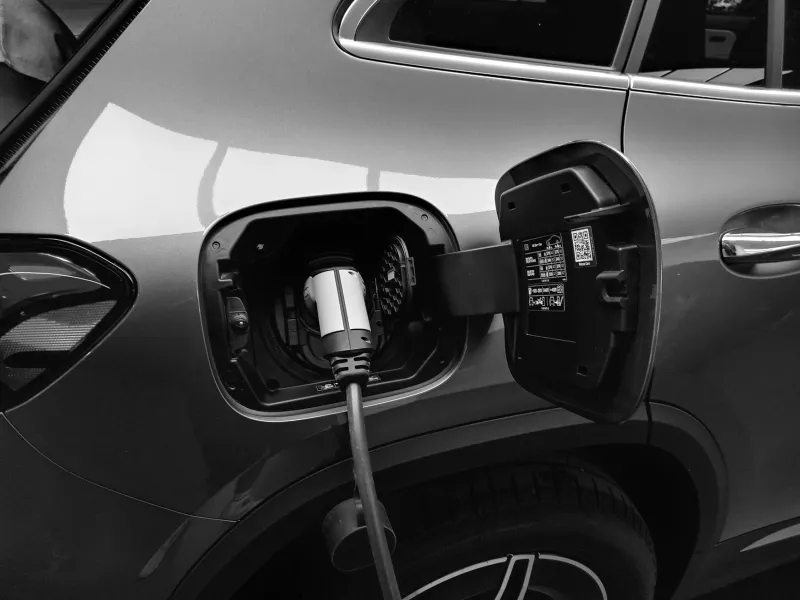
At home, a 7.4kW wallbox will take a 120Ah car from near-empty to full overnight — around five hours, comfortably inside an off-peak window if you're on a cheap overnight tariff. Some cars were specified with three-phase 11kW capability, which is a nice bonus but not essential for a second car that spends most of its life on a driveway.
Rapid charging is the weak point. The i3's peak DC acceptance is 50kW, and it only holds near that for a short window. A 10 to 80 per cent top-up is a 40-to-50-minute affair in good conditions. For local duties that's irrelevant; if you're regularly leaning on public chargers, it becomes a chore quickly. The earlier Range Extender versions — with a small two-cylinder petrol engine on board — sound like the answer to range anxiety, but they add weight, complexity and another set of things to maintain, and later cars dropped the option entirely.
The skinny tyre question
The i3 runs famously narrow rubber: 155-section at the front, 175 at the rear, on 19-inch wheels. Enthusiasts mock it, but it's a deliberate part of the efficiency story — low rolling resistance and a small contact patch. In practice the car grips far better than the numbers suggest, because the battery keeps the centre of gravity low and the kerb weight is modest.
What you should know is that choice is limited and prices can surprise you. Historically Bridgestone dominated this size, and while the range of options has widened, some i3-specific tyres still cost more than you'd expect for something so small. There's also a known wear pattern — the rears take the torque, and uneven inner shoulder wear is common on cars that haven't had their geometry checked. Budget for a set of tyres and an alignment check soon after purchase if the current ones look tired, and check the tyre pressure monitoring sensors while you're at it.
When carbon goes wrong
the awkward part. The i3's structure is not repairable in the way a conventional hatchback is. Minor panel damage is fine — the thermoplastic outer panels are cheap and bolt on and off. Structural damage to the carbon cell is a different matter entirely, requiring specialist facilities and, in many cases, leading an insurer to write the car off rather than authorise the repair.
That matters for two reasons. First, check the insurance history of any used i3 carefully — a Cat N or Cat S marker on a carbon car deserves far more scrutiny than on a Fiesta. Second, be realistic about your own cover. Some insurers are noticeably less keen on the i3 than on a conventional small hatch, and quotes swing around wildly by postcode and driver. Get a quote on the specific registration before you commit, not afterwards.
On the plus side, mechanical wear items are few. No oil changes, no cambelt, no clutch. Servicing is brake fluid on a two-year cycle, a cabin filter, and inspection of the brakes, suspension and high-voltage system. One quirk: because regenerative braking does so much of the slowing, the friction brakes can seize through underuse on a low-mileage car. A cheap fix if caught early, an annoying one if not.
The 2026 running cost picture
Electric cars now pay vehicle excise duty at the standard rate rather than enjoying the old exemption, so factor that in. Also check whether your car falls foul of the expensive-car supplement — the i3 hovered around the £40,000 list-price threshold when new, and the rules look at the original list price, not what you pay for it today, so a well-specified car can catch you out.
Charging at home on a cheap overnight rate remains the headline saving. Even allowing for the recent rises in electricity prices, a full charge on an off-peak tariff is a fraction of the cost of filling a small petrol hatch — and battery-electric cars are exempt from Birmingham's Clean Air Zone charge, which matters if you cross into the city regularly.
The verdict
The i3 makes sense for a specific Wolverhampton buyer: a two-car household where one vehicle already covers long journeys, parking on a driveway with access to a home charger, and daily mileage that rarely exceeds 40 or 50 miles. Done that way, it's a genuinely cheap, genuinely charming little thing that turns the school run and the Tesco trip into something a bit more enjoyable than they should be.
Walk away if you're relying on public rapid charging, if you regularly carry more than two passengers, if you need to tow or fill a boot, or if you want one car to do everything. And walk away from any example with murky insurance history or a tired set of tyres — on a carbon-bodied car, the unknowns cost more than they do elsewhere.