Quote Unquote: The Real Reasons Your BMW Insurance Costs What It Does in Wolverhampton
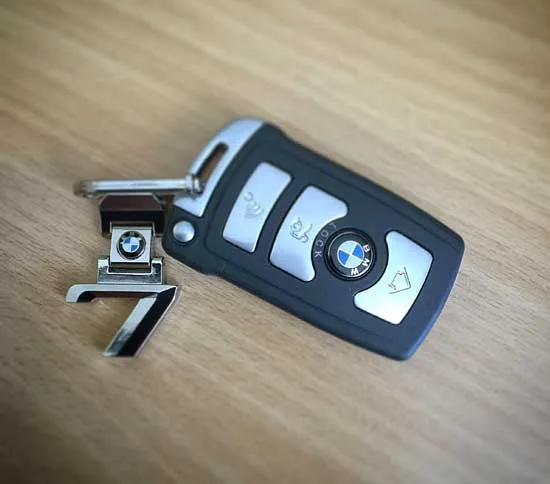
Photo: Hugo venter, CC BY-SA 3.0, via Wikimedia Commons
Every renewal season, the same conversation lands on our front desk. A customer has been quoted something eye-watering for a car they have owned for three years, done nothing to, and parked in the same spot since the day they bought it. They want to know whether the insurer has made a mistake, and whether moving to a different postcode would fix it.
Usually the answer is no and no. But the reasons behind the number are more interesting than most drivers realise, and a fair few of them are within your control.
The postcode is one ingredient, not the recipe
It is true that insurers price on location. They work from claims data at a fine-grained level — not just Wolverhampton as a whole, but clusters of streets within WV1 to WV14. Dense housing, high traffic volumes, on-street parking and historical theft or vandalism claims all push the number up. A car kept on a driveway in a quiet cul-de-sac off the Bridgnorth Road will not price like one parked on a busy terraced street nearer the centre.
But postcode is only one of dozens of rating factors. Two neighbours with identical cars can receive wildly different quotes because of claims history, named drivers, occupation, annual mileage and how they choose to pay. Blaming the postcode is often just the easiest explanation.
Four costs hiding behind every premium
Underneath the marketing and the comparison sites, an insurer is essentially underwriting four things.
Repair cost. Modern BMWs are expensive to put right. Bumper-mounted sensors, radar units behind the grille and cameras in the windscreen all need recalibration after even a light knock. Aluminium panels cost more than steel, paint matching on metallic and pearlescent finishes takes skill and time, and genuine parts carry a premium that aftermarket alternatives cannot always match.
Theft and security. Keyless entry has been a gift to organised thieves, and relay attacks on comfort access systems remain a genuine concern. Insurers know which models attract attention, and they price accordingly.
Third-party liability. Personal injury claims and credit hire costs are enormous relative to a modest bump, and they are not confined to your own postcode.
Write-off risk. When the repair bill approaches a proportion of the car's value, insurers write it off. On an older BMW, that threshold arrives sooner than owners expect — which is why documented servicing and a realistic valuation matter more than most people think.
Trim, wheels and the options you forgot about
Insurance groups are set by the manufacturer's specification, and BMW's options list is long. Two cars with the same badge can sit in different groups entirely.
Large alloy wheels with low-profile tyres are pricier to replace, easier to damage and more likely to be stolen. M Sport body kits add parts count. Performance brakes and adaptive suspension add cost to a claim. And anything you have changed yourself — a remap, a lowering kit, different wheels, a tow bar — must be declared. Non-disclosure is the single quickest way to have a claim reduced or refused, and insurers are not sentimental about it.
Where your car sleeps
Garaging is not the automatic discount people assume, but off-street parking usually helps. A driveway with lighting, a steering lock, a tracker or a factory-fitted alarm all count in your favour at quote stage. A faraday pouch for your key is cheap insurance in its own right, and worth mentioning when you renew.
Mileage matters just as much. Overstating your annual mileage to chase a lower premium is a false economy; so is underestimating it. Look at your actual odometer reading from twelve months ago and be honest.
Levers you can actually pull
None of these will halve a quote, but together they add up:
- Shop around 20 to 25 days before renewal rather than the night before.
- Add a sensible named driver rather than fronting a policy in someone else's name — that route ends badly.
- Adjust your voluntary excess deliberately, not accidentally, and check what it means for a small claim.
- Pay annually if you can; monthly finance arrangements carry interest.
- Keep no-claims bonus intact by thinking hard before claiming for minor cosmetic damage.
- Consider a telematics or app-based policy if your mileage is low and predictable.
- Keep the car standard, or declare every change without exception.
When a specialist earns their keep
Here is the part most people only discover after an incident. If your BMW is damaged, the insurer's engineer will value the repair and, in a total loss, the car itself. That valuation is based on market data, and it does not always reflect a well-kept example with full service history and recent tyres, brakes or battery work.
An independent specialist can help in three practical ways. First, by producing a detailed repair estimate and inspection report you can put in front of the insurer. Second, by documenting condition, mileage and service records that support a stronger agreed valuation — particularly relevant for older or enthusiast cars where the book value and the real-world value have drifted apart. Third, by being a straight-talking second opinion when a repair quote looks either too high or suspiciously low.
What we cannot do is sell you insurance or advise on regulated products. We are on the mechanical side of the fence, and that is where we are useful.
The bottom line
Your premium is a reflection of risk, not a judgement on your driving. Prices in and around Wolverhampton are shaped by repair costs, theft patterns, traffic density and the specification of your particular car far more than by any single factor.
Understand the ingredients, pull the levers you control, keep the paperwork tidy, and the renewal conversation gets a lot less painful. And when the worst happens, having a specialist in your corner is worth more than a few pounds saved on the quote.