Grip, Cost and Compromise: xDrive vs Rear-Wheel Drive in the Black Country
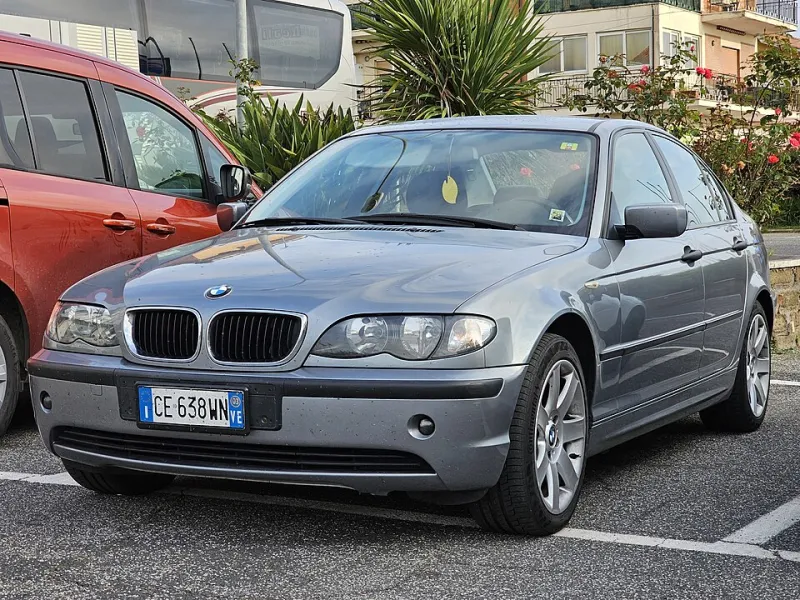
Photo: Damian B Oh, CC BY-SA 4.0, via Wikimedia Commons
The short answer
Most Wolverhampton drivers do not need xDrive. But some really do. If you commute up the M54 in all weathers, tow a caravan, or live up a leafy lane near Wombourne that turns into a stream in November, all-wheel drive earns its keep. If you want the classic BMW feel and lower running costs, rear-wheel drive is still the purist's choice.
This is not a religious argument. It is a practical one. The right answer depends on where you drive, what you carry and how long you plan to keep the car.
Why Black Country roads flatter xDrive
Wet roundabouts, diesel spills, leaf mulch, winter grit — the Black Country can be slippery. xDrive puts power where it can find grip, and on a damp morning joining the M6 at Junction 10A it feels reassuring. It is not magic: xDrive will not out-brake a rear-drive car on summer tyres, and it will not save you if you are driving like a pillock. But in stop-start traffic and on greasy A-roads, it adds a layer of confidence that many drivers genuinely value.
That confidence matters most in the cold months. A rear-drive 3 Series on decent all-season tyres is fine for most people, but an xDrive car makes the morning school run feel less eventful when the roads are shiny.
Why rear-wheel drive still matters
RWD is lighter, simpler and usually more engaging. A 3 Series or 4 Series with drive going to the back axle turns in cleanly and feels balanced. It is also cheaper to maintain — no transfer case, no front driveshafts, fewer things to go wrong. On a dry road, most drivers will not notice the difference. On a wet roundabout, a sensitive right foot is worth more than an extra driven axle.
There is also the emotional side. BMW built its reputation on rear-wheel drive, and for plenty of enthusiasts that still counts. If you enjoy the way a car rotates gently under power, RWD is the one to have.
Tyres and servicing: where the costs hide
xDrive cars often wear tyres more evenly but faster, and you must keep tread depths within tolerance across all four. Mismatched tyres can upset the transfer case. Budget for four premium tyres at once, not two. Servicing adds transfer case oil changes and extra checks. RWD is simpler: rear tyres wear faster, but you can replace a pair. Brakes, suspension and fluids are broadly similar.
At Benham Wolves BMW, we see plenty of both. The xDrive cars that age well are the ones whose owners keep on top of tyre pressures and do not mix budgets front and rear. The RWD cars that age well are usually the ones that have not been driven like a drift car every time the road is damp.
Fuel economy and real-world costs
xDrive adds weight and drivetrain losses, so expect 2–5mpg worse in real driving. On a 320i that might be the difference between 40mpg and 37mpg. Over 12,000 miles a year, it is a few hundred pounds. For a high-mileage motorway commuter, RWD often makes more financial sense. For a low-mileage family car that needs to get up a steep drive in snow, xDrive is worth it.
Do not ignore insurance and tyres. The difference between a set of four premium tyres and a pair of rears is real money, and xDrive makes it harder to get away with replacing only two.
Resale and desirability
xDrive is a big selling point on SUVs like the X3 and X5, and on estates. On a 3 Series saloon, it is a nice-to-have rather than a must-have. Enthusiasts often prefer RWD because it is the traditional BMW layout. If you are buying used, do not pay a huge premium for xDrive unless you actually need it. If you are selling, be ready for buyers who either specifically want it or do not care at all.
In the Black Country, a well-specified xDrive estate will always find a buyer. A rear-drive saloon with the right history will too. Condition and spec matter more than the badge on the boot.
Which one suits your week?
Match the drivetrain to your actual life. Town and suburban driving around Tettenhall, Codsall and Sedgley: RWD is fine. Rural lanes and hill starts around Bridgnorth, Cannock and Stourbridge: xDrive is reassuring. Long motorway stints: RWD for economy, xDrive for wet-weather stability. Towing: xDrive, no question. Weekend fun: RWD.
If you only get snow once every three years, do not buy xDrive just for that. Buy it because you regularly drive in conditions where traction is genuinely marginal, or because the car you want happens to have it.
Our verdict
xDrive is a tool, not a badge. Buy it because you need traction, not because you think it makes you a better driver. Rear-wheel drive remains the more rewarding, more affordable choice for most Black Country BMW owners. But if your commute includes a slippery incline and a school run in the rain, xDrive is money well spent.
Either way, tyres matter more than driven wheels. A rear-drive BMW on proper all-season rubber will out-grip an xDrive car on worn summers every time. That is the truth, and it is the first thing we would check before you choose between them.