The Case for Knobs: Living With BMW's Screen-Heavy Cabins on Black Country Roads
There is a particular stretch of the B4136 where the surface stops pretending. Somewhere out towards the edge of town the tarmac ripples, the camber shifts, and the car moves around underneath you just enough to remind you that you are actually driving. It is not dangerous. It is not even especially memorable. But it is exactly the sort of moment when you want to nudge the heater down a degree without lifting your eyes off the road — and exactly the moment a touchscreen stops feeling like a feature and starts feeling like a faff.
That is the whole argument, really. Not nostalgia, not a grudge against technology. Just a simple question of how much of your attention a car is entitled to borrow while you are moving.
How we ended up here
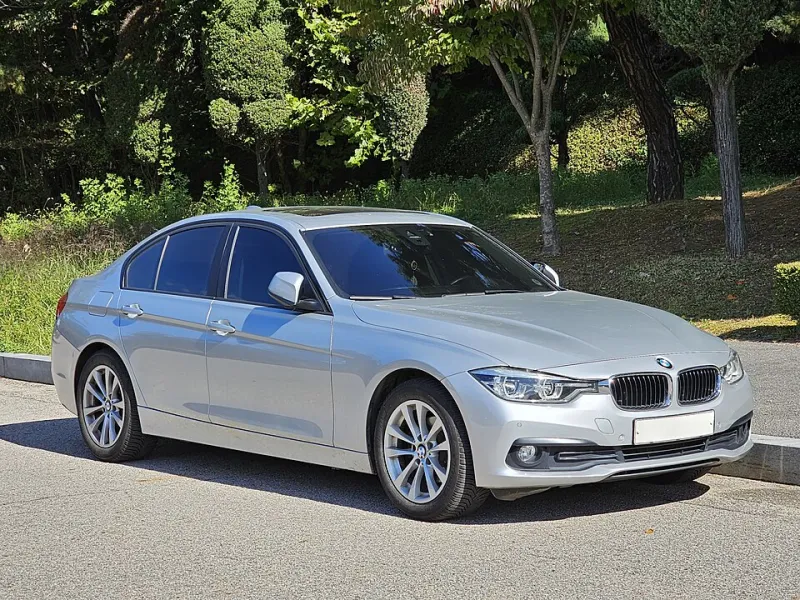
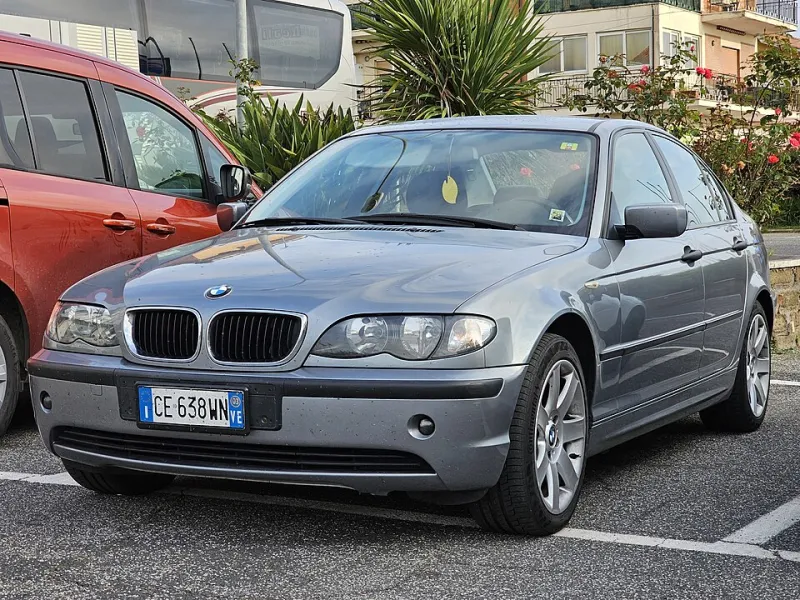
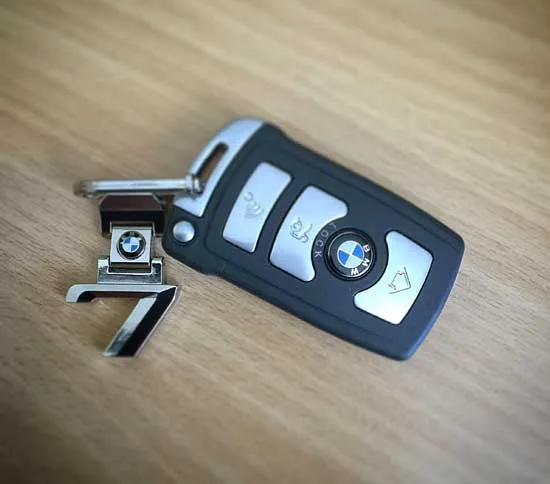
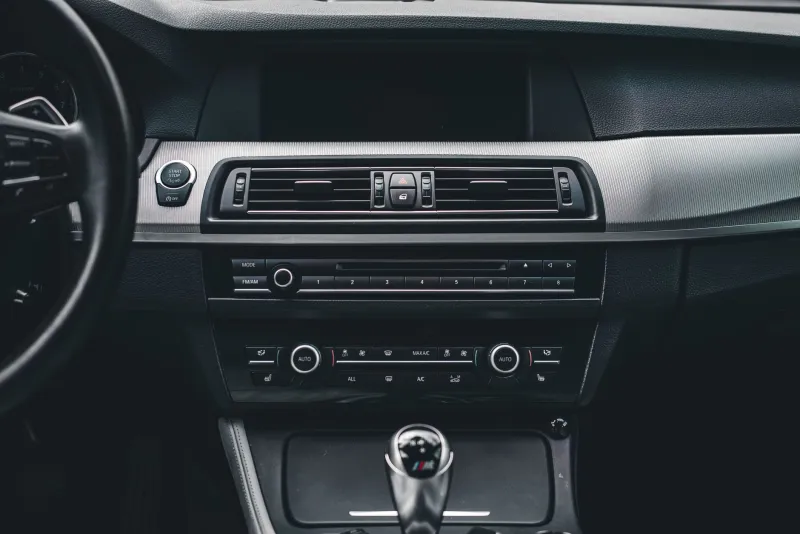
BMW's relationship with the screen is longer and messier than most people remember. The original iDrive landed in 2001 in the E65 7 Series and was, by near-universal agreement, a step too far: one rotary controller, endless menus, and a learning curve steep enough to need a rope. BMW spent the following decade quietly walking it back, adding hard keys for climate, radio and navigation shortcuts until — by the F30 3 Series and F10 5 Series era — the balance was genuinely good.
Then came the curved display. The iX, i4 and i5 shifted huge amounts of functionality onto glass, and on some models the rotary controller disappeared altogether. On the current X1 and 2 Series Active Tourer, climate settings that once lived on a physical panel now live inside a submenu. The i4, to be fair, kept its controller; the iX did not.
BMW has since signalled a partial retreat, with key functions returning to proper controls in its newest generation of cars. Whether that survives contact with the cost-cutting department is another matter. Either way, the used market now spans three distinct interior philosophies, and that matters enormously when you are buying.
Why the Black Country exposes the difference
A showroom test drive down a smooth dual carriageway tells you almost nothing. Wolverhampton tells you plenty. The Ring Road's patchwork resurfacing, the trenches left behind by utility works, the fading lane markings on the A449, the way the M54 backs up at half past eight — all of it asks you to keep your eyes where they belong.
At 30mph on a broken surface, a two-second glance at a screen is roughly 25 metres of travel. That is the length of a bus. Nobody thinks they take two seconds. Everybody does.
Physical controls win here for a boring, mechanical reason: they can be located by feel. You know where the volume knob sits without looking, the way you know where the light switch is in your own hallway. Muscle memory does not need a firmware update.
Where buttons still earn their keep
Our shortlist, based on what customers actually fiddle with on the move:
- Volume. Always. A knob or a steering wheel thumbwheel, never a slider.
- Cabin temperature and fan speed. Especially with a passenger who runs hot and a driver who runs cold.
- Demist and maximum defrost. Fogged windscreen, busy junction, no time to explore a menu tree.
- Hazard lights. Legally required to be physical, and thank goodness for it.
- Seat heating. A January morning in WV3 is not the moment to go hunting through a submenu.
- Drive mode. Sport and Comfort should be one press apart, not three.
There is regulatory momentum behind this too. Euro NCAP's newer assessment protocols push manufacturers towards physical controls for core functions if they want top safety scores. Safety bodies do not usually wade into interior design, so when they do, it is worth paying attention.
Where screens genuinely win
None of the above is an argument for a cabin full of 1990s switchgear. Screens are brilliant at things buttons simply cannot do.
Maps that are genuinely readable at a glance. Charging schedules and battery preconditioning for the i4 and iX crowd. Media libraries holding a thousand albums. Reversing cameras and around-view parking aids that make a tight Tettenhall driveway far less stressful than it used to be. And configurability — being able to pin the four things you use most to a shortcut bar is a real gain, provided you set it up on the drive rather than at 50mph.
Voice control has improved out of all recognition as well. It is now a credible third option: buttons for muscle memory, screen for depth, voice for destinations and phone calls.
The used-buying angle
If cabin ergonomics matter to you — and around here they should — the used market offers a useful spread of answers.
Late F30 3 Series and G30 5 Series cars give you the old-school layout: dials, buttons, a controller, and a screen that stays in its lane. The pre-facelift G20 3 Series with iDrive 7 is arguably the sweet spot, blending a proper rotary controller with a clean digital interface and separate climate keys. The G01 X3 is cut from similar cloth. Move into the curved-display generation and you gain sharpness, response and configurability while losing a little tactility, model by model.
Our advice is boringly practical: drive the exact car you are considering, at 40mph, on a road you know is rough. Then repeat the exercise after dark. If you cannot change the temperature without a glance, you have your answer.
The verdict
BMW still builds some of the best-driving cars on sale, and a big screen does not change that. But a cabin is a workspace, and a workspace should be designed for the person using it at the least convenient moment — not for the person filming a walkaround.
The best BMW interiors for Black Country roads in 2026 are the ones that let you keep your hands on the wheel and your eyes on the B4136. That is not tradition talking. It is just good design.