The Damp Footwell Files: A Twenty-Minute Water Check for Used BMWs in Wolverhampton
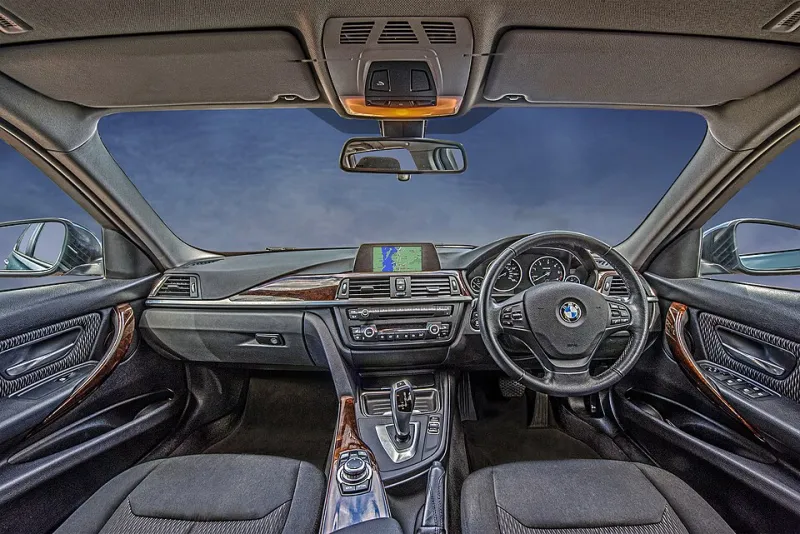
Photo: David James, CC BY-SA 4.0, via Wikimedia Commons
Wolverhampton does not do gentle drizzle. It does sideways rain, leaf-blocked gutters and the kind of damp mornings that make a car’s carpets feel faintly suspicious. In a used BMW, that suspicion is worth taking seriously. Water inside a cabin rarely stays neatly in the footwell; it finds its way under seats, along wiring looms and into the low-mounted modules that modern BMWs rely on. By the time the warning lights arrive, the damp patch has usually been there for months.
This is not a scare story about every BMW developing a indoor swimming pool. Most cars are fine. But if you are buying used, or simply want to keep a car through another Black Country winter, a twenty-minute water-ingress check is one of the highest-value habits you can adopt. It is also one of the easiest ways to spot a car that has been quietly living outside with a blocked drain.
Start With Your Nose, Then Your Palms
Before you open the bonnet or reach for a hose, use the senses you already have. Open the doors and smell the cabin. A musty, sweet or faintly mouldy odour is a clue, especially if the seller has recently used an air freshener with enthusiasm. Check the windows for heavy internal misting that returns quickly after the heater has done its work.
Then feel the carpets. Not just the driver’s mat — lift it and press the carpet beneath. Run your palm across the front footwells, the rear footwells and the area under the front seats. A genuinely dry carpet feels dry and slightly coarse. A damp one feels cool, spongy or suspiciously soft. Check the boot floor and the spare-wheel well too, particularly on saloons and Tourings. Water in the boot is often dismissed as a spilled bottle; it is more often a tired seal.
The Usual Suspects: Drains, Clips and Barriers
BMW cabins have several known water-entry points, and most are maintenance items rather than design disasters. Sunroof drains are the classic. The tray around the glass collects water and sends it down tubes that exit behind the front and rear wheels. Leaves, pollen and grit block those tubes, water backs up and finds the headlining, the pillar trims or the footwells. If the car has a panoramic roof, the drain network is larger and the consequences of a blockage are greater.
The scuttle area at the base of the windscreen is another favourite. On many BMWs, the plastic scuttle panel and its clips sit above the cabin filter housing and wiring. If the clips are broken, the panel lifts, or the drains below are choked with debris, water can run into the heater intake or down into the footwell. A damp passenger carpet after rain is a common symptom.
Door vapour barriers — the foam or plastic sheet behind the door trim — are also worth knowing about. They keep water that runs down the window glass inside the door cavity and out through the drain holes at the bottom. Once the butyl seal is disturbed, perhaps during a window regulator repair, water can sneak past and soak the sill and carpet edge. Boot seals and rear light gaskets are the final regular offenders, especially on older cars where rubber has hardened.
Model Notes for Common Wolverhampton BMWs
On the E46, door carrier seals and sunroof cassettes are the well-worn topics. A damp rear footwell or a musty smell after washing is a prompt to check the inner door seals and the sunroof drains rather than assume the air conditioning is at fault. Boot seals on saloons also deserve a look, particularly around the boot lid weatherstrip.
E90 and F30 3 Series cars are more likely to present scuttle-area issues. Broken scuttle clips, blocked drains beneath the windscreen and a damp cabin filter housing are all familiar. The passenger footwell is the one to inspect closely, because that is where water often gathers first. Sunroof-equipped cars need the same drain check as any other.
On larger cars such as the F10 5 Series and its Touring sibling, do not ignore the boot and the rear quarter area. Panoramic roofs on X models need their drains checked seasonally, not once at purchase. The general rule is simple: if the car has a hole in the roof, a plastic panel at the base of the windscreen or a rubber seal around an opening, water has a route in when maintenance slips.
The Twenty-Minute Check
Pick a dry day and park on level ground. Open the sunroof if fitted and pour a small amount of water into the drain channels — not a jet, just a steady trickle from a bottle. Watch where it exits. It should run out behind the front and rear wheels without pooling around the glass or inside the cabin. If water appears in the footwell or the headlining darkens, stop and investigate.
Next, lift the bonnet and clear any leaves from the scuttle area. Look for broken clips, a loose cabin filter cover and standing water. Check the door drain holes at the bottom of each door; they should be clear. Lift the boot floor and inspect the spare-wheel well for tide marks, rust or damp sound deadening. Under the seats, look for corroded connectors and any signs of water staining on the carpet backing.
Finally, check the history. A car with repeated electrical faults, intermittent central locking or a permanently misty cabin may have been damp for a while. Water and BMW electronics are not a good combination, and module corrosion can turn a cheap used car into an expensive project.
When to Walk Away
Surface dampness from a wet umbrella is one thing. Standing water, a soaked footwell near the fuse box or junction box, green corrosion on connectors or a strong mould smell are different. If the seller dismisses it as “just a bit damp”, keep walking. Water ingress can be fixed, but the damage it leaves behind is often the expensive part. A dry BMW is a far better starting point than a cheap one with a secret.
Make the check seasonal: once in autumn before the leaves fall and once in spring after the salt has gone. Clear the drains, check the seals and keep the scuttle clean. It is twenty minutes well spent — and far cheaper than discovering the problem through a dashboard warning light.