The Pothole Paper Trail: What to Capture Before You Claim for a BMW Wheel
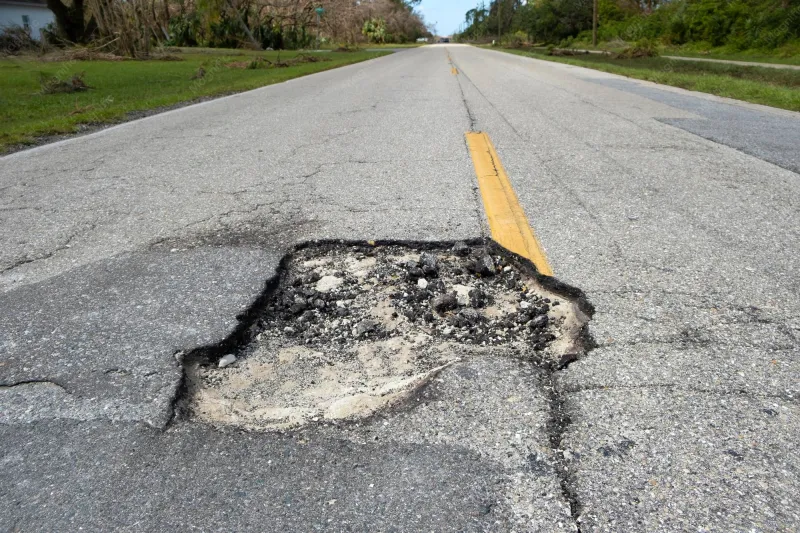
Photo: pothole damaged alloy wheel BMW close up UK road, via img.freepik.com
There is a particular sound a BMW makes when it meets a pothole it did not expect. A sharp, hollow thump, followed by a pause while you check the mirror and wonder whether that was the wheel, the suspension, or your composure. On Wolverhampton's patchwork roads, especially after a cold snap, that sound is common enough to feel routine. It is not routine. What you do in the next hour can be the difference between a straightforward insurance or council claim and a file that goes nowhere.
This is not about pointing fingers at the state of the tarmac. It is about giving yourself the best possible paper trail if a damaged alloy, tyre or suspension component turns out to be more than a bad memory.
First Sixty Seconds: Secure the Scene
If it is safe to do so, pull over as soon as you can. Put your hazard lights on. Do not stand in a live lane to photograph a pothole, no matter how impressive the crater looks. On the Black Country Route or the Ring Road, traffic does not slow down for drama.
Once you are off the carriageway, note the time and the exact location. Not just the street name. Use what3words if you have it, or drop a pin on your phone map. Note the direction you were travelling and the lane you were in. A claim that says 'somewhere on the A449' is weaker than one that says 'northbound, nearside lane, just after the Compton Road junction'.
Check the wheel immediately. Look for a visible bend in the rim, a bulge in the tyre sidewall, or a chunk missing from the alloy. A sidewall bulge is a 'do not drive' warning, not a suggestion. If the tyre is losing pressure or the steering has developed a shimmy, call for recovery rather than limping home.
What the Camera Should See
Your phone camera is the most important tool in the kit. Take more photographs than you think you need.
Start wide. Show the pothole in context: the road, the lane markings, the kerb, any nearby landmarks or street signs. Then move closer. Photograph the pothole with something for scale. A tape measure is ideal, but a coin, a bank card or the sole of your shoe will do at a push. The camera should capture the length, width and depth of the defect.
Then photograph your wheel and tyre from several angles. Include the damage close up and the whole wheel in the arch. If there is a secondary scuff or crack, capture that too. Take a photograph of your dashboard showing the time and mileage. If you have a dashcam, save the clip immediately. Most dashcams overwrite old footage within days, sometimes hours.
Do not clean the wheel before photographing it. Dirt and road grime are part of the evidence.
The Paperwork That Backs the Pictures
A council claim is not won on a single dramatic photo of a hole. It is won on consistency. Keep a simple note of what happened: date, time, location, speed, weather, and what you felt and heard. Write it while it is fresh, even if it is just a voice note.
Report the pothole to the City of Wolverhampton Council as soon as you can. Their online reporting tool will give you a reference number. Keep that number. It shows you engaged with the process promptly and it helps establish that the authority was aware of the defect. If the pothole has already been reported by someone else, that reference is still useful.
Keep every receipt. The recovery truck, the replacement tyre, the alignment check, the independent inspection. If you have a BMW warranty or a service plan, read the small print before assuming the damage is covered. Impact damage is usually excluded, but the terms differ between policies.
When a Buckle Becomes a Bill
A slightly bent alloy can feel like a cosmetic annoyance. It rarely stays that way. A buckled rim can compromise the seal between the tyre and the wheel, leading to slow pressure loss. It can also introduce a vibration that you feel through the steering wheel or the seat. That vibration is not just uncomfortable. It is a clue that the wheel is no longer true and the tyre is wearing unevenly.
Suspension damage is less obvious. A hard strike can knock your alignment out, which shows up as a steering wheel that sits off-centre or a car that pulls to one side. It can also damage a control arm bush, a ball joint or a shock absorber. On a BMW, those components are engineered for precision. A knock that feels minor at 20 mph can become a tyre-shredding geometry problem at 70 mph.
If you feel any vibration, pulling or unusual noise after a pothole strike, get the car inspected. A buckled wheel that is left alone can take a tyre with it. A damaged control arm can take a set of tyres with it. The maths rarely improves by waiting.
The Council Claim: What Wolverhampton Drivers Should Expect
Under the Highways Act 1980, local authorities have a statutory defence if they can show they took reasonable steps to maintain the road and had no prior knowledge of the defect. That is why your evidence matters. You are not just proving the pothole existed. You are building a timeline that shows when it existed, whether it had been reported, and how it affected your vehicle.
Do not expect a quick payout. Council claims can take weeks or months. Keep your photographs, your reference numbers and your receipts in one folder, digital or otherwise. If the claim is rejected, you can ask for the inspection records for that stretch of road. Sometimes the paper trail reveals that the defect was known about and not fixed. Sometimes it does not. Either way, you will have the facts.
Repair Costs: The BMW Reality
Costs vary by model and wheel size, but here is a rough guide to what Wolverhampton drivers are likely to face. A single alloy refurbishment typically starts around £80 to £150. A replacement alloy can run from £300 to £600 or more, depending on size and design. A new tyre for a larger BMW wheel often sits between £150 and £300 fitted. A four-wheel alignment check is usually £60 to £120.
Suspension work is where the numbers climb. A control arm replacement can be £200 to £400 per side, and a shock absorber or top mount can add more. If the damage extends to two wheels, a tyre and an alignment, you are easily into four figures before you have finished the paperwork.
The Kit Worth Keeping in the Boot
You do not need a forensic scene-of-crime setup. A tape measure, a torch, a pair of gloves, a pen and a notebook will cover most of it. Add a phone charger and a microfibre cloth for cleaning your hands, not the wheel. If you have a space saver or a tyre inflator, check it works before winter. A slow puncture from a bent rim is much easier to manage if you are not stranded.
Most of all, keep your cool. A pothole strike is annoying, but it is also a moment when a few minutes of careful evidence-gathering can save you a lot of money and frustration later. Wolverhampton's roads will do what they do. Your BMW deserves better than a claim file full of guesswork.